Experience real-time muscle feedback
directly from your quadriceps

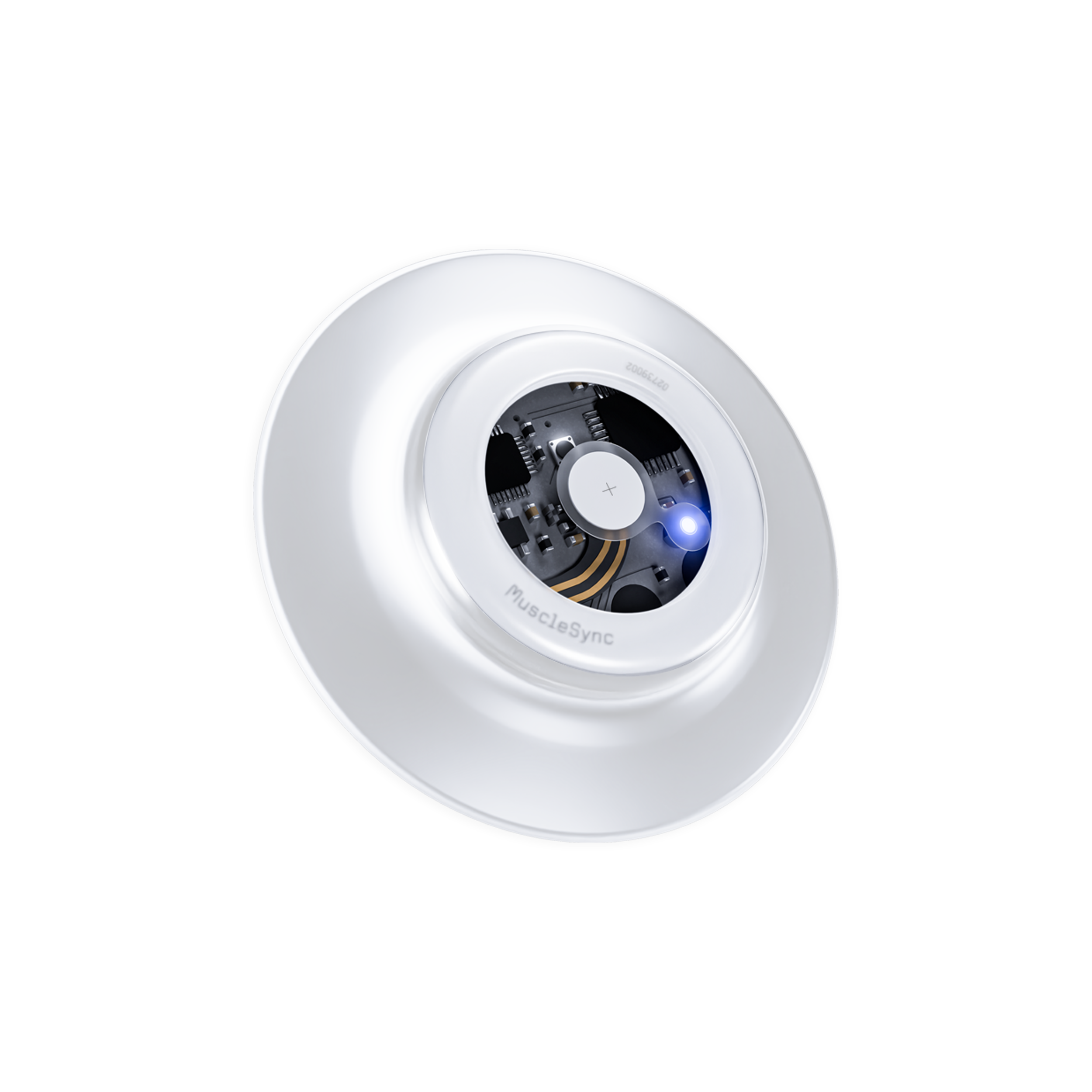
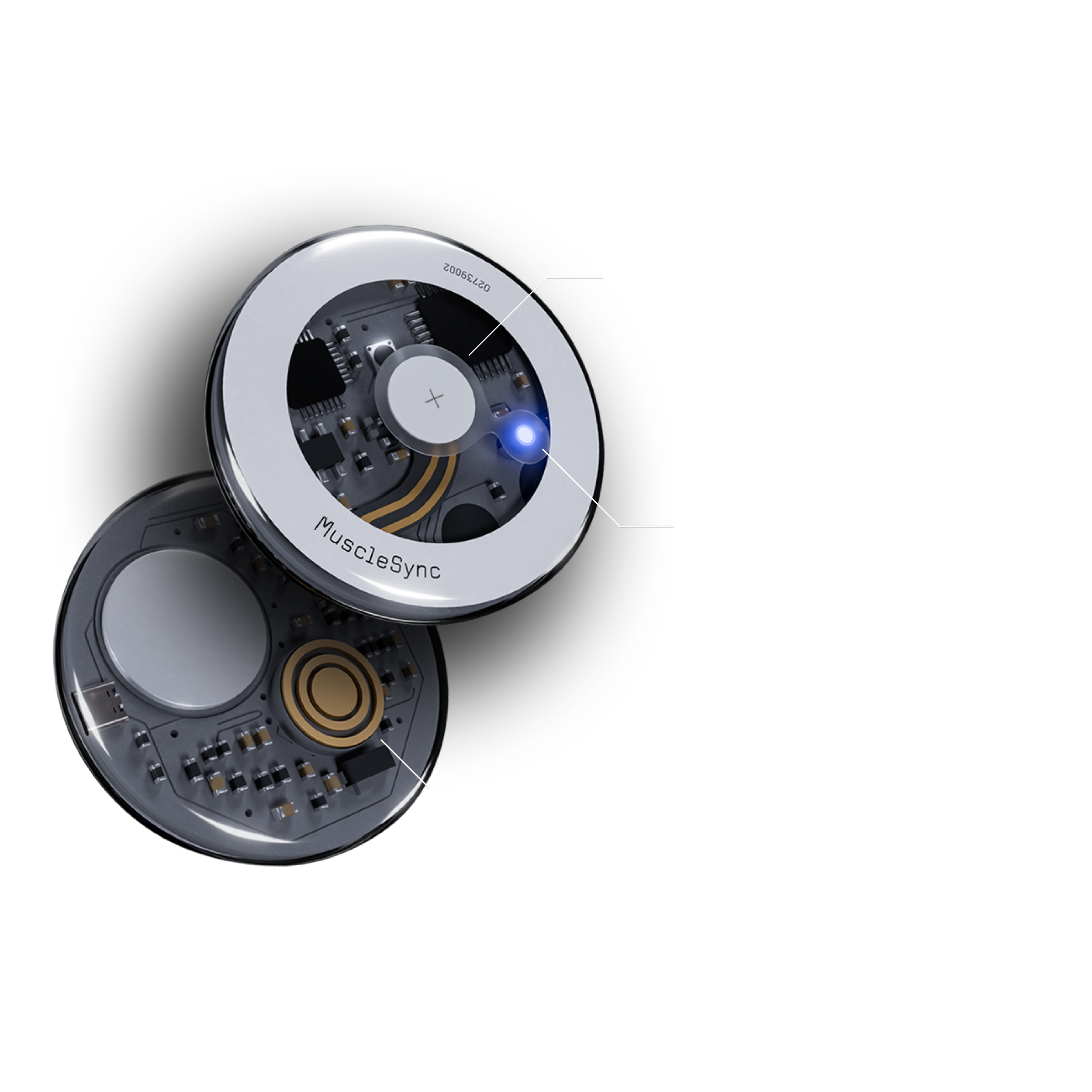
The world’s first wearable that measures local muscle force in real time.
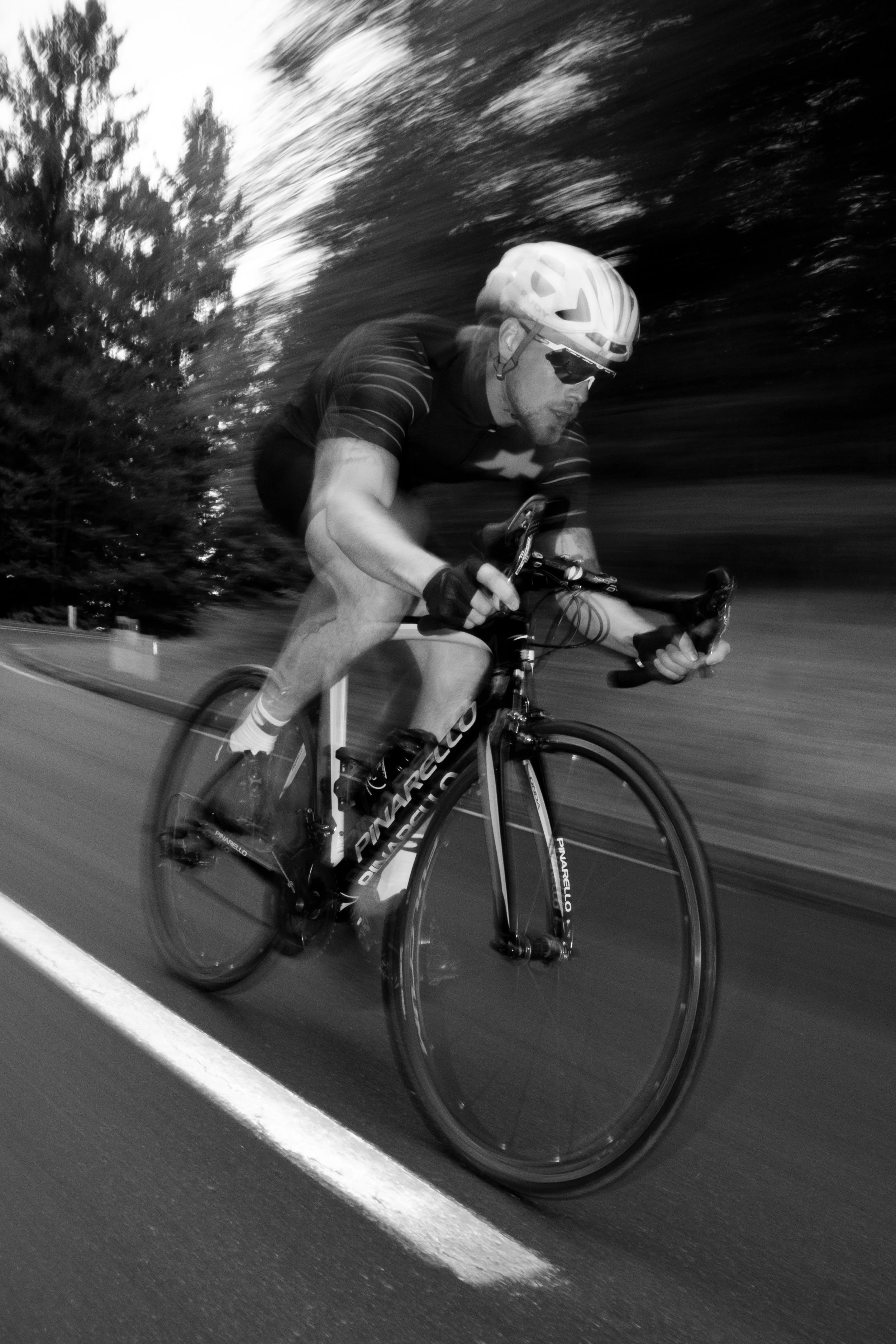
We’re bringing pro-athlete–level technology straight
to your doorstep.
Developed by the team behind the TMG (tensiomyography) muscle measurement system and the MC (muscle contraction) sensor — used by professional sports teams and research institutions
in over 20 countries and with more than 100,000 measurements performed.
The Problem Every Cyclist Faces
Most cyclists rely on speed, power,
or heart rate to guide training.
But here’s the truth:
watts show what the bike feels,
not what your body is doing, and heart rate
is affected by sleep, temperature, stress and caffeine.
Result:
a disconnect between training metrics and your body's physiology, leading to wasted energy, poor pacing and constant guessing whether you’re ready to push harder.
BECAUSE WATTS AND HEART RATE DON’T TELL THE WHOLE STORY
INTRODUCING MUSCLESYNC

The First Device That Measures Local Muscle Output
A single lightweight sensor on your thigh captures your muscle’s mechanical force and gives instant feedback through simple vibrational patterns.
It tells you:
Are your legs fresh or fatigued?
Are your leg muscles potentiated and ready to push hard?
Are you riding in your optimal zone?
Are you engaging the right muscles at the right time?
How efficiently is your force converting into pedal power?
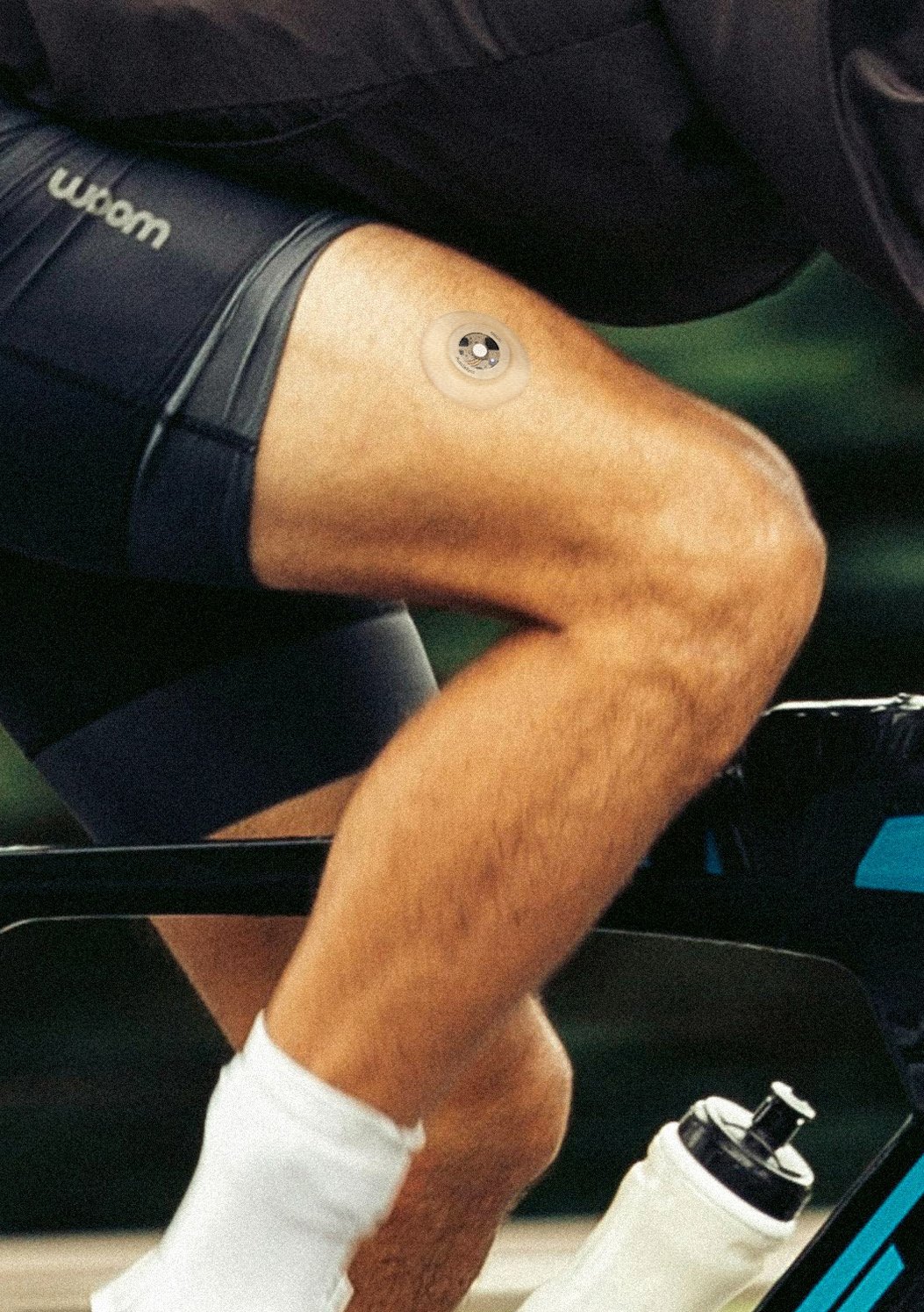
How it works?
MuscleSync defines
5 personal training zones based on your physiology.
1.
Before You Ride
Attach the sensor to your thigh
Run a 10 second readiness check and select the desired training zone before you roll out.
2.
During the Ride
Real-time measurement
Vibration cues from the sensor and/or visual
cues from the smartphone app will tell you whether to push, hold pace,
or ease off.
3.
After the Ride
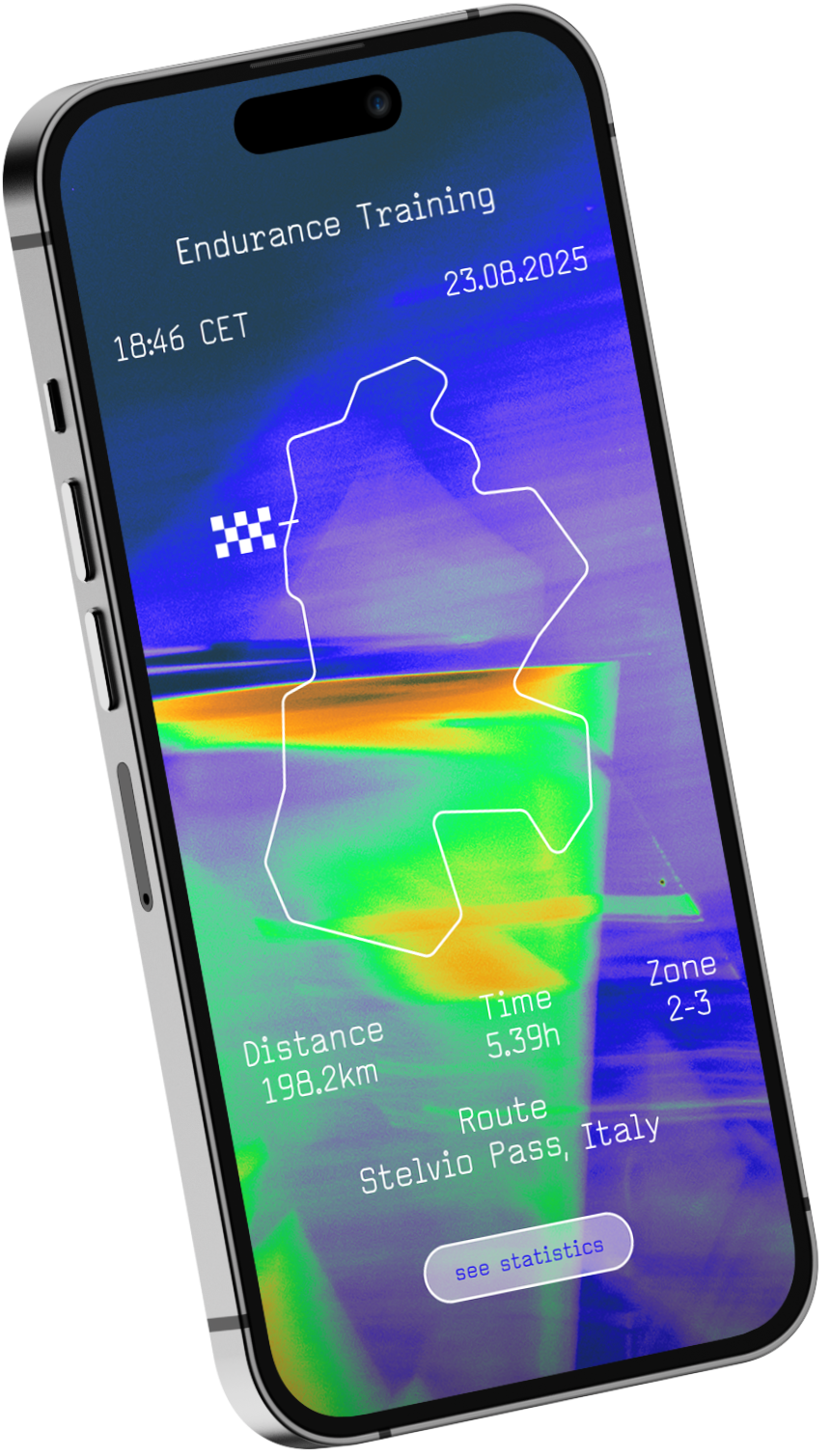
Open the app on your smartphone
See how efficiently you paced, how fatigued your legs were, and how your muscle strength
is evolving.
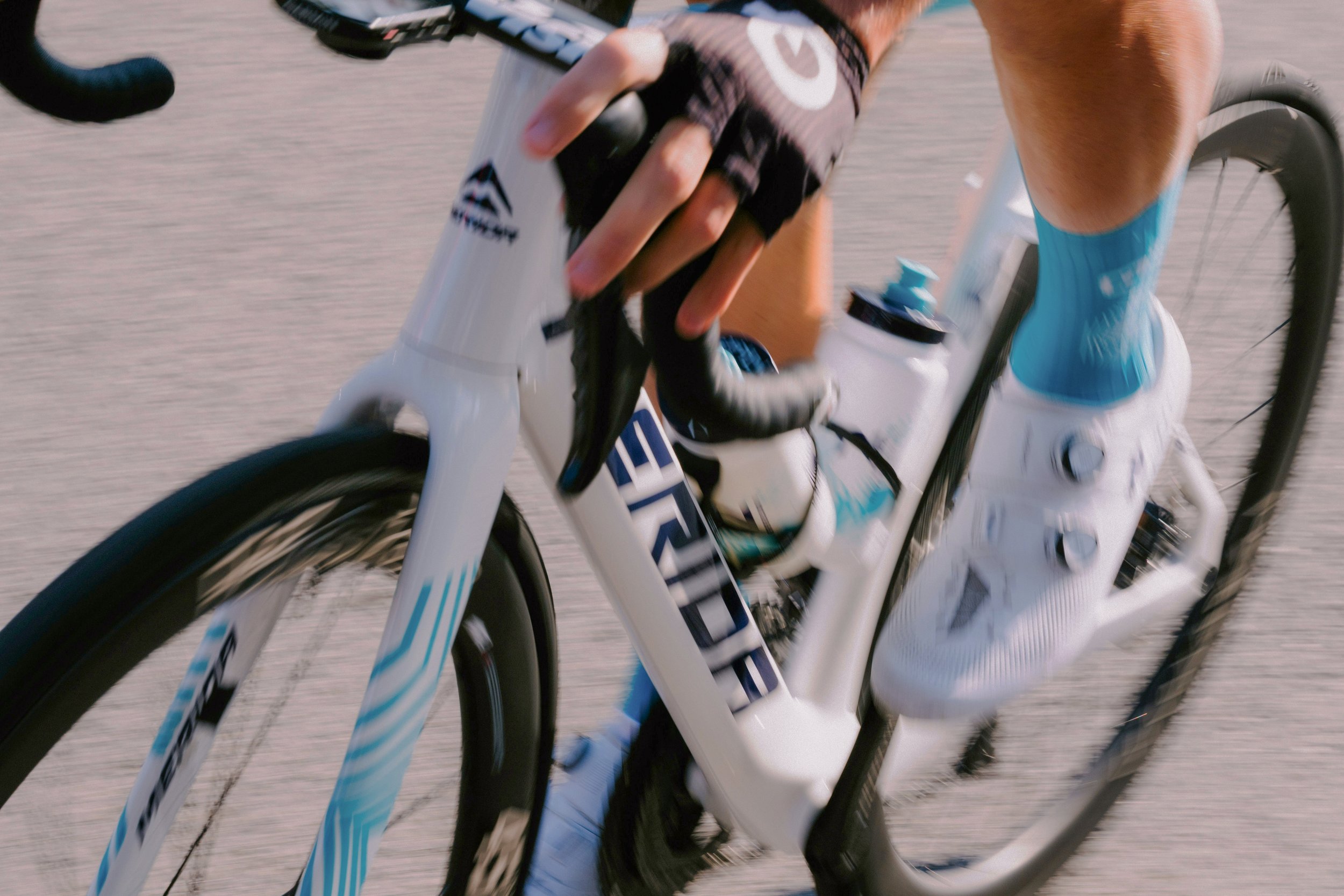
MuscleSync isn’t another training gadget — it’s a precision instrument for riders who want to understand how their body truly performs.
What We Measure and Why It Changes Everything
Neuromuscular fatigue signature: detects fatigue before your power drops, so you can adjust in time.
Potentiation–fatigue ratio: captures the dynamic balance between muscle readiness and exhaustion, defining your real cycling economy.
Force transmission efficiency: shows how much of your muscle force turns into crank power.
Fascicle shortening velocity: the speed your muscle fibres contract — your true power ceiling.
Active vs. passive tension: shows how your muscles store and release energy, revealing efficiency power meters can’t see.